Hydration and Energy Myths Every Man Should Know
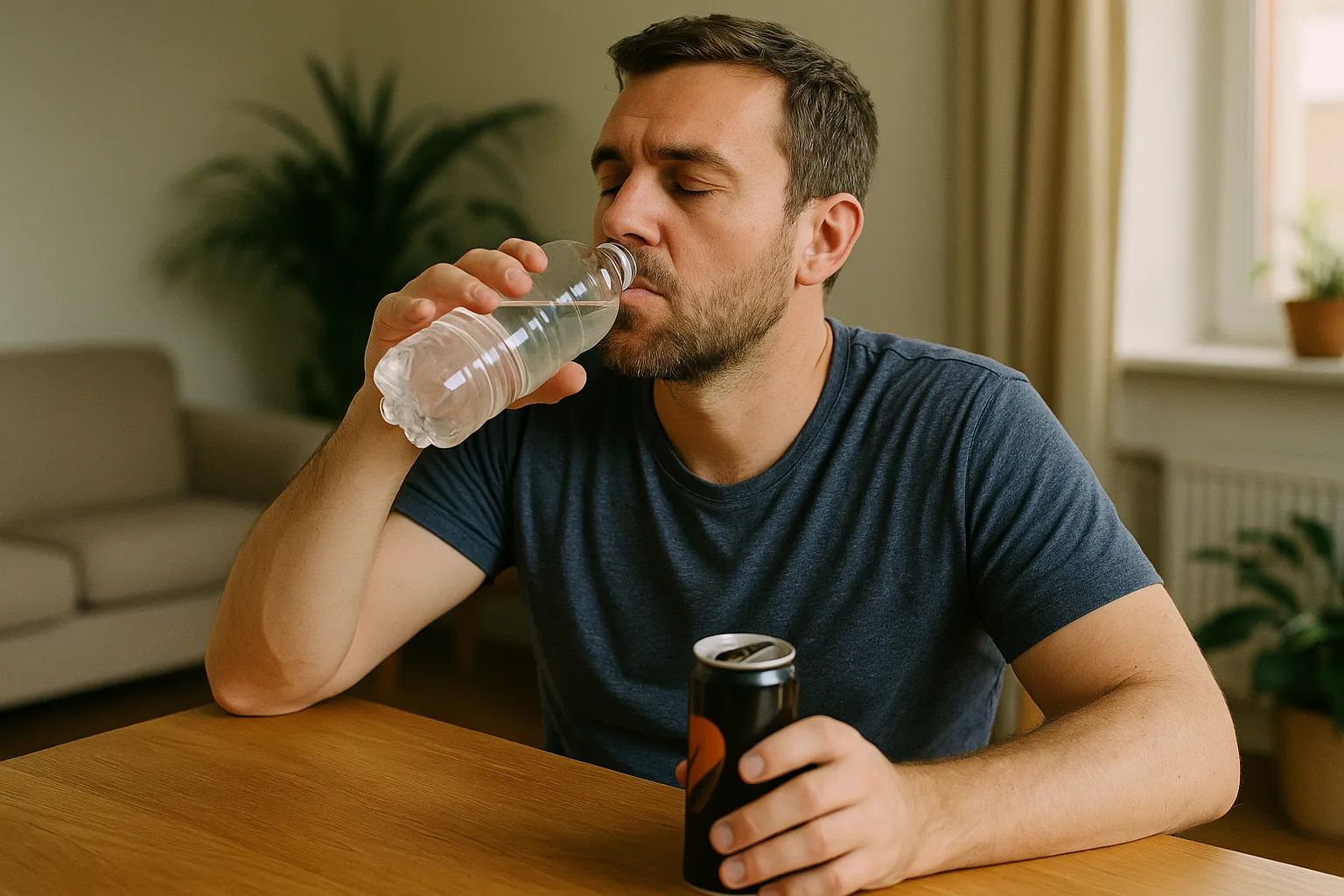
Water is easy to overlook when you're troubleshooting fatigue, but hydration and energy are more tightly linked than most men realize. Mild fluid loss—sometimes as little as 1-2% of body weight—has been associated with reduced alertness, slower reaction time, and a heavier, more sluggish feeling by mid-afternoon. Yet hydration is surrounded by myths that can lead men to either ignore it entirely or overcorrect in ways that don't actually help. Below, we separate what research generally supports from what's simply locker-room folklore.
Myth: Thirst Is a Reliable Warning Sign
Fact: By the time you feel thirsty, you may already be mildly dehydrated. Thirst is a lagging signal, not an early-warning system. Factors like age, caffeine intake, and even how busy your day is can dull that signal further, which is part of why so many men report an unexplained afternoon crash. Rather than waiting for thirst, it's more useful to build regular water breaks into your day—alongside your meals, after workouts, and whenever you notice difficulty concentrating. This ties directly into building an energy reset routine that actually works, since consistent hydration habits are one of the simplest levers to pull when energy dips.
Myth: More Water Always Means More Energy
Fact: Hydration matters, but it isn't a stand-alone energy switch. Overdrinking water without replacing electrolytes—especially sodium and potassium—can actually dilute your blood sodium levels, leading to symptoms that feel a lot like fatigue: headache, nausea, and brain fog. This is uncommon in everyday life but more relevant for men doing long, sweaty workouts or manual labor in the heat. The takeaway isn't to drink less, but to think of hydration as part of a broader system that includes electrolytes, sleep, and nutrition rather than a single fix.
Myth: Coffee and Tea Don't Count Toward Hydration
Fact: This one has been repeated for decades, but modern research suggests moderate caffeine intake doesn't cause the dehydrating effect once assumed. Caffeinated beverages still contribute fluid overall, even though caffeine has a mild diuretic effect in large or unaccustomed doses. That said, relying heavily on caffeine for energy can mask an underlying hydration or sleep problem. If you're curious about how caffeinated drinks fit into the bigger vitality picture, it's worth reviewing the broader myths and facts about energy drinks that many men lean on without realizing the trade-offs.
Myth: Dehydration Only Affects Athletes
Fact: You don't need to be running a marathon to feel the effects of low fluid intake. Desk-bound men are just as susceptible, sometimes more so, because sedentary days come with fewer natural cues to drink water. Mild dehydration has been linked to reduced blood volume, which can make the heart work harder to circulate oxygen and nutrients throughout the body. Since healthy circulation is closely tied to how energized you feel, this is worth understanding at a deeper level in our beginner's guide to vascular health.
Myth: All Fluids Hydrate You Equally
Fact: Plain water, sports drinks, sodas, and juices don't hydrate the body in exactly the same way. Beverages high in sugar can cause a temporary energy spike followed by a dip, while very high-sodium or high-sugar drinks may actually pull water into the gut rather than into your bloodstream efficiently. For most men going about a normal day, water remains the simplest and most reliable choice, with electrolyte-containing drinks reserved for intense exercise, heat exposure, or illness.
Myth: You Can Just Catch Up on Hydration Later
Fact: Hydration doesn't work like a savings account you can top off after a long dry spell. Chronic mild dehydration—drinking a bit too little, day after day—appears to have a cumulative effect on energy, focus, and even mood. It's more effective to spread fluid intake evenly across the day than to chug a large amount all at once, which your body will simply process and excrete rather than absorb and use.
A Simple Way to Gauge Your Hydration
- Check urine color: pale yellow generally suggests adequate hydration, while dark yellow may signal you need more fluids.
- Notice your energy pattern: an unexplained slump 2-3 hours after lunch is sometimes hydration-related, not just food-related.
- Track your environment: hot weather, air travel, and heated or air-conditioned indoor spaces all increase fluid needs without you necessarily noticing thirst.
- Pay attention to physical activity: even light exercise like a brisk walk raises fluid needs, a detail often discussed alongside interval training's stamina and recovery benefits.
Why This Matters for Daily Vitality
Hydration alone won't solve every energy problem—sleep quality, stress, hormonal balance, and nutrition all play major roles. But because water affects blood volume, temperature regulation, and even how efficiently your muscles work, it's one of the few factors that influences almost every other system tied to daily vitality. Treating it as a foundation, rather than an afterthought, can make other efforts—like exercise or dietary changes—more effective.
FAQ: Hydration and Energy
How much water do I actually need per day? Needs vary by body size, activity level, and climate, but many health organizations suggest men aim for roughly 3.7 liters (about 15 cups) of total fluids daily, including water from food and beverages. Individual needs can be higher with exercise or heat exposure.
Can dehydration cause fatigue even if I'm eating well? Yes. Good nutrition supports energy, but fluid balance affects blood volume and circulation independently of diet quality. A well-fed but under-hydrated body can still feel sluggish.
Is it possible to drink too much water? In rare cases, yes—excessive water intake in a short period can dilute sodium levels. This is uncommon outside of endurance sports or medical conditions, but it's a reminder that balance, not extremes, is the goal.
Final Thoughts
Hydration is one of the simplest daily habits a man can adjust, yet it's often misunderstood or ignored until fatigue sets in. By separating the myths from the evidence, you can build a more realistic, sustainable approach—drinking consistently throughout the day, paying attention to your body's signals, and viewing hydration as one piece of a larger vitality puzzle rather than a quick fix.
This article is for informational purposes only and is not a substitute for professional medical advice.