Performance Anxiety: Your Top Questions Answered
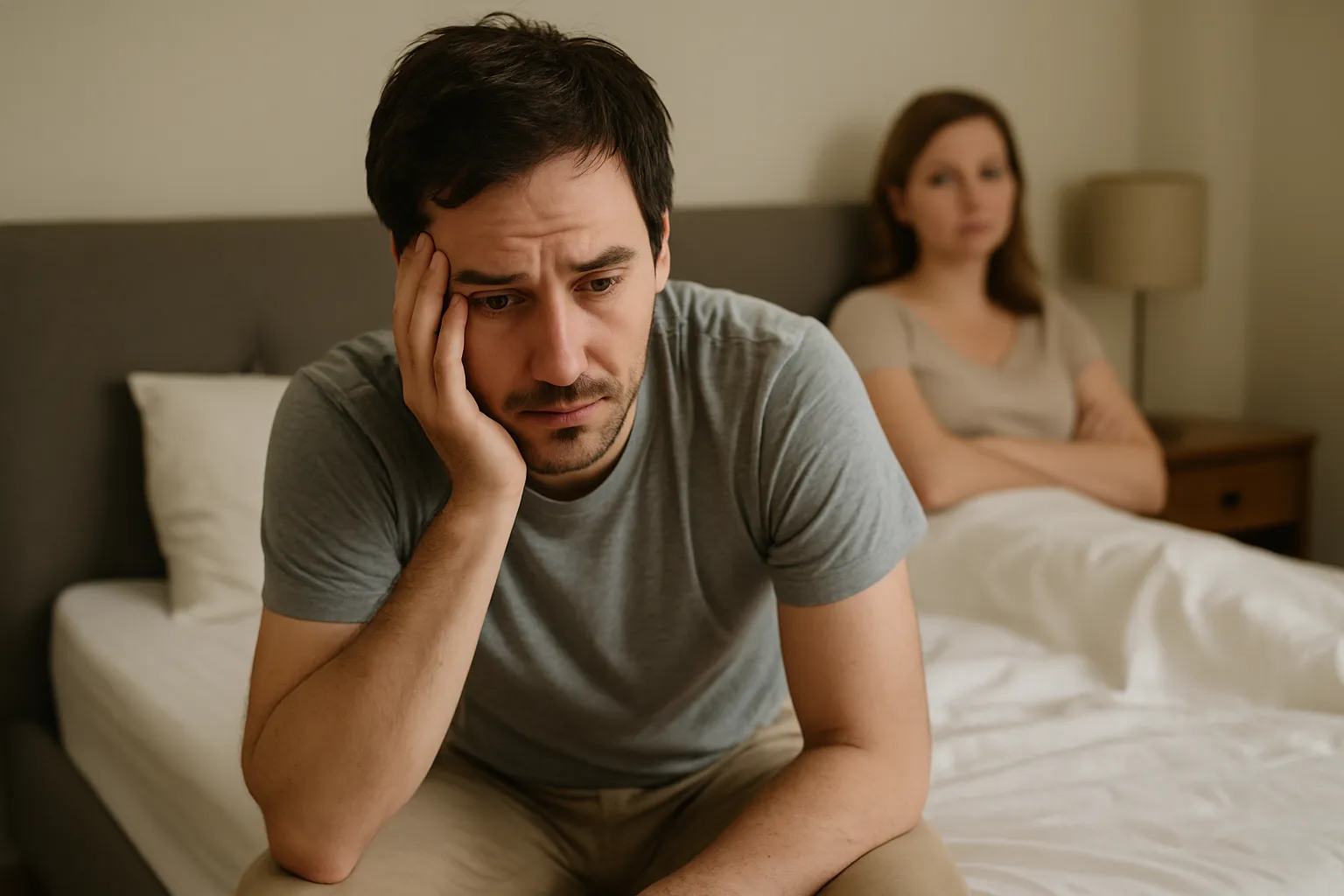
Performance anxiety is one of the most common—and least talked about—challenges affecting men's confidence in intimate settings. It's the nervous, pressure-filled feeling that shows up before or during a moment that matters, and it can affect anyone, regardless of age or experience. The good news is that performance anxiety is well understood, generally manageable, and rarely a sign of a deeper medical problem. Below, we tackle the questions men ask most often, with clear, practical answers you can actually use.
What Exactly Is Performance Anxiety?
Performance anxiety refers to worry or stress specifically tied to how you'll perform during an intimate encounter. It often stems from fear of disappointing a partner, self-doubt about physical ability, or past experiences that didn't go as planned. Unlike a physical health issue, it's rooted in the mind—but the two are closely connected, since stress hormones can genuinely affect the body's response.
Think of it as a feedback loop: worry creates physical tension, tension makes performance harder, and that difficulty fuels more worry. Breaking this cycle is usually less about "trying harder" and more about addressing the underlying thought patterns.
What Causes It?
There isn't one single cause—it's usually a mix of factors, including:
- Stress and mental load. Work pressure, financial worries, or general life stress can spill over into intimate moments.
- Body image concerns. Comparing yourself to unrealistic standards can create self-consciousness.
- Relationship dynamics. Unspoken tension or communication gaps with a partner can heighten anxiety.
- Past experiences. A previous awkward or disappointing encounter can create anticipatory worry.
- Fatigue and low energy. When the body is run-down, confidence often takes a hit too. Building better daily habits, like those covered in 7 Ways to Boost Daily Energy Naturally, Backed by Science, may help reduce the fatigue-related piece of the puzzle.
Is Performance Anxiety Only Mental, or Does It Affect the Body Too?
Both. Anxiety triggers the body's stress response, releasing hormones like adrenaline and cortisol. These can narrow blood vessels and redirect blood flow away from areas not considered essential for "fight or flight"—which can interfere with physical performance. This is one reason circulation and hormonal balance are often discussed alongside confidence-related topics. If you're curious about the biological side of this connection, Testosterone and Circulation: How They're Linked breaks down how these systems interact.
How Common Is It, Really?
More common than most people assume. Research on sexual health consistently shows that a significant portion of men experience performance-related worry at some point, particularly during times of stress, after a life change, or when starting a new relationship. It's considered a normal human experience rather than a rare dysfunction.
Can Lifestyle Habits Make a Difference?
Yes—lifestyle plays a meaningful supporting role, even though it's not a guaranteed fix. A few areas worth focusing on:
Physical Activity
Regular movement supports circulation, mood regulation, and stress reduction, all of which can indirectly ease performance-related worry. For men who are just getting into a routine, Stamina Training for Beginners: A Step-by-Step Guide offers a manageable starting point that builds physical endurance without overwhelming a beginner.
Sleep and Recovery
Poor sleep disrupts hormone regulation and increases stress reactivity. Prioritizing consistent, quality rest is one of the simplest ways to support both mental clarity and physical readiness.
Stress Management
Techniques like deep breathing, journaling, or short mindfulness practices can lower baseline anxiety levels over time, making it easier to stay present in intimate moments rather than stuck in your head.
Reducing Alcohol and Stimulant Overuse
While an occasional drink might feel like it eases nerves, excessive alcohol or stimulant use can actually worsen anxiety and interfere with physical response over time.
Does Communication With a Partner Actually Help?
It often helps more than people expect. Performance anxiety thrives in silence—when worries go unspoken, they tend to grow larger in your mind. Talking openly with a partner can:
- Reduce the pressure to "perform perfectly"
- Create mutual understanding and patience
- Shift the focus from performance to connection
- Help identify if relationship stress is contributing to the anxiety
Many men find that simply naming the anxiety out loud takes away some of its power. Partners are often more understanding than anticipated, especially when the conversation is approached calmly and without blame.
When Should Performance Anxiety Be Discussed With a Doctor?
While occasional nervousness is normal, it may be worth speaking with a healthcare provider if:
- The anxiety is persistent and doesn't improve with lifestyle changes
- It's causing significant distress or avoidance of intimacy altogether
- There are other symptoms like low energy, low mood, or noticeable changes in physical health
- You suspect an underlying hormonal or circulatory factor may be involved
A healthcare provider can help determine whether the issue is primarily psychological, tied to a physical health factor, or a combination of both—and guide you toward appropriate next steps.
Are There Everyday Habits That Support Long-Term Confidence?
Building confidence isn't usually about one big fix—it's the accumulation of small, consistent habits:
- Prioritizing regular physical activity
- Managing stress proactively rather than reactively
- Getting consistent, restorative sleep
- Practicing open communication in relationships
- Avoiding comparison to unrealistic media portrayals of intimacy
For a broader set of strategies specifically focused on emotional and mental readiness in intimate settings, Building Bedroom Confidence: 7 Ways to Feel More Secure offers additional practical approaches worth exploring.
FAQ: Quick Answers to Common Questions
Does performance anxiety mean something is medically wrong? Not necessarily. It's often situational and tied to stress or mental factors rather than an underlying medical condition, though persistent cases are worth discussing with a doctor.
Can performance anxiety go away on its own? For many men, it eases naturally as stress decreases, confidence builds, or relationship comfort grows. In other cases, active steps like stress management or professional support may speed up improvement.
Is it more common in younger or older men? It can affect men at any age, though the underlying causes may differ—younger men often report anxiety tied to inexperience or self-doubt, while older men may notice it connected to physical changes or health-related concerns.
Final Thoughts
Performance anxiety is a common, deeply human experience rather than a personal failing. Understanding its causes—mental, emotional, and physical—makes it much easier to address with practical strategies rather than frustration or shame. Small, consistent lifestyle adjustments, honest communication, and awareness of when to seek professional guidance can go a long way toward building lasting confidence.
This article is for informational purposes only and is not a substitute for professional medical advice.