Energy Drinks and Vitality: Myths vs. Facts for Men
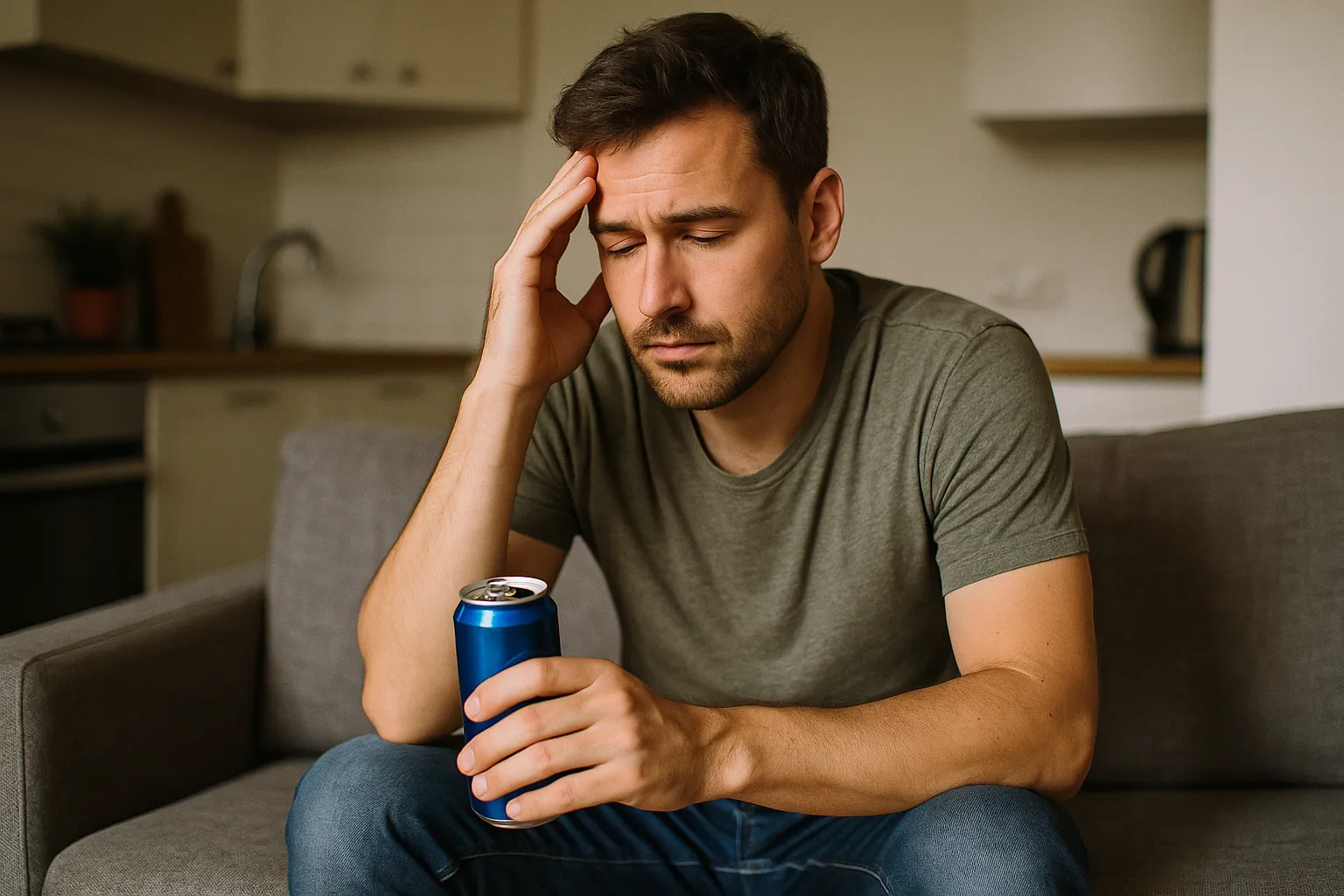
Energy drinks are everywhere — in gym bags, office fridges, and cupholders during long commutes. For many men chasing better stamina and sharper focus, they seem like an easy fix. But how much of what we believe about energy drinks actually holds up? Separating myth from fact matters, especially if you're relying on them daily to power through fatigue, workouts, or afternoon slumps. Let's look at the most common claims about energy drinks and what current research actually suggests.
Myth: Energy Drinks Give You Lasting Energy
Fact: Most energy drinks work primarily through caffeine and sugar, both of which produce a quick spike in alertness followed by a noticeable dip. This "crash" happens because your body processes caffeine relatively fast, and blood sugar levels fluctuate after a sugary drink. Rather than sustained vitality, you often get a short window of alertness followed by fatigue that can feel worse than before. True, lasting energy tends to come from consistent habits — sleep, hydration, and steady nutrition — not a single can. If mornings are your weak point, it may help to look at what's driving morning fatigue in the first place rather than masking it with stimulants.
Myth: All Energy Drinks Are Basically the Same
Fact: Formulas vary widely. Some rely almost entirely on caffeine, while others combine caffeine with sugar, amino acids, or various plant extracts. The amount of caffeine alone can range from modest to quite high, and combining it with other stimulating ingredients may amplify effects like jitteriness or a racing heart in sensitive individuals. Reading labels matters — assuming every drink affects your body the same way can lead to unexpectedly strong reactions, especially if you're already consuming caffeine from coffee or tea earlier in the day.
Myth: Energy Drinks Are a Safe Substitute for Sleep
Fact: No amount of caffeine can fully replace the physical restoration that happens during quality sleep. Energy drinks may temporarily mask the feeling of tiredness by blocking adenosine receptors in the brain (the same mechanism as coffee), but they don't reduce your body's actual need for rest. Relying on them night after night to compensate for short sleep can create a cycle where fatigue builds up while feeling temporarily "managed." Building a consistent energy reset routine that prioritizes sleep tends to produce more reliable results over time than reaching for another can.
Myth: Energy Drinks Improve Physical Performance and Stamina
Fact: Some studies suggest moderate caffeine intake may offer a small, short-term boost in alertness or perceived exertion during exercise. However, the sugar and high caffeine content in many energy drinks can also cause dehydration, an upset stomach, or a rapid heart rate — none of which support stamina. Circulation plays a major role in how your muscles perform and recover, and stimulant overload isn't the same as supporting healthy blood flow. If stamina and endurance are your goal, it's worth understanding the basics covered in Vascular Health 101, since consistent circulation support tends to matter more than a temporary caffeine spike.
Myth: You Need Energy Drinks to Function Normally
Fact: It's easy to feel dependent on energy drinks once they become part of a daily routine, but that dependence is often more about habit and withdrawal (from caffeine) than an actual physiological requirement. Many men who gradually reduce their intake report that natural energy levels stabilize within one to two weeks as sleep quality and hydration improve. This doesn't mean occasional caffeine is harmful for most healthy adults — but treating it as the only way to feel functional can mask underlying issues like poor sleep, low activity levels, or nutritional gaps that deserve attention.
Myth: More Caffeine Always Means More Energy
Fact: There's a ceiling effect with caffeine. Beyond a certain point, additional intake doesn't produce more alertness — it just increases the risk of side effects like anxiety, restlessness, digestive discomfort, or disrupted sleep later that night. Since energy drinks are often consumed on top of coffee, tea, or pre-workout products, total daily caffeine intake can climb higher than people realize. Being mindful of cumulative intake, rather than assuming "more is better," is a simple way to avoid the diminishing returns that come with overdoing stimulants.
What Tends to Work Better Long-Term
While occasional caffeine isn't inherently problematic for most healthy men, research consistently points to a handful of habits that support more stable energy throughout the day:
- Prioritizing consistent sleep timing, not just sleep duration
- Staying adequately hydrated, since even mild dehydration can mimic fatigue
- Eating balanced meals that avoid sharp blood sugar swings
- Moving regularly, even light activity can improve alertness
- Managing stress, which drains mental and physical energy over time
These approaches don't offer an instant jolt, but they tend to produce steadier, more dependable energy without the crash-and-repeat cycle common with stimulant-heavy drinks.
FAQ: Common Questions About Energy Drinks
Are energy drinks bad for circulation? Occasional consumption isn't typically linked to major circulation issues in healthy adults, but high caffeine intake can temporarily raise heart rate and blood pressure. Men with existing cardiovascular concerns should be especially mindful and speak with a healthcare provider.
Can energy drinks affect stamina during workouts? Some research suggests a modest short-term alertness boost, but excessive sugar or caffeine can also cause dehydration or stomach discomfort, which may work against performance rather than for it.
Is it okay to drink one occasionally? For most healthy adults, moderate occasional use is generally considered low-risk. The concern is more about daily reliance replacing healthier energy habits like sleep and hydration.
Final Thoughts
Energy drinks aren't inherently "good" or "bad" — but treating them as a dependable source of vitality misunderstands how they actually work. The quick lift they provide is real, but it's temporary and often followed by a dip that can leave you feeling more depleted than before. For steadier, more sustainable energy, it helps to look at the daily habits that genuinely support your body's natural rhythm rather than leaning on stimulants as a daily crutch.
This article is for informational purposes only and is not a substitute for professional medical advice.