How to Build Rejection Resilience: A Step-by-Step Guide
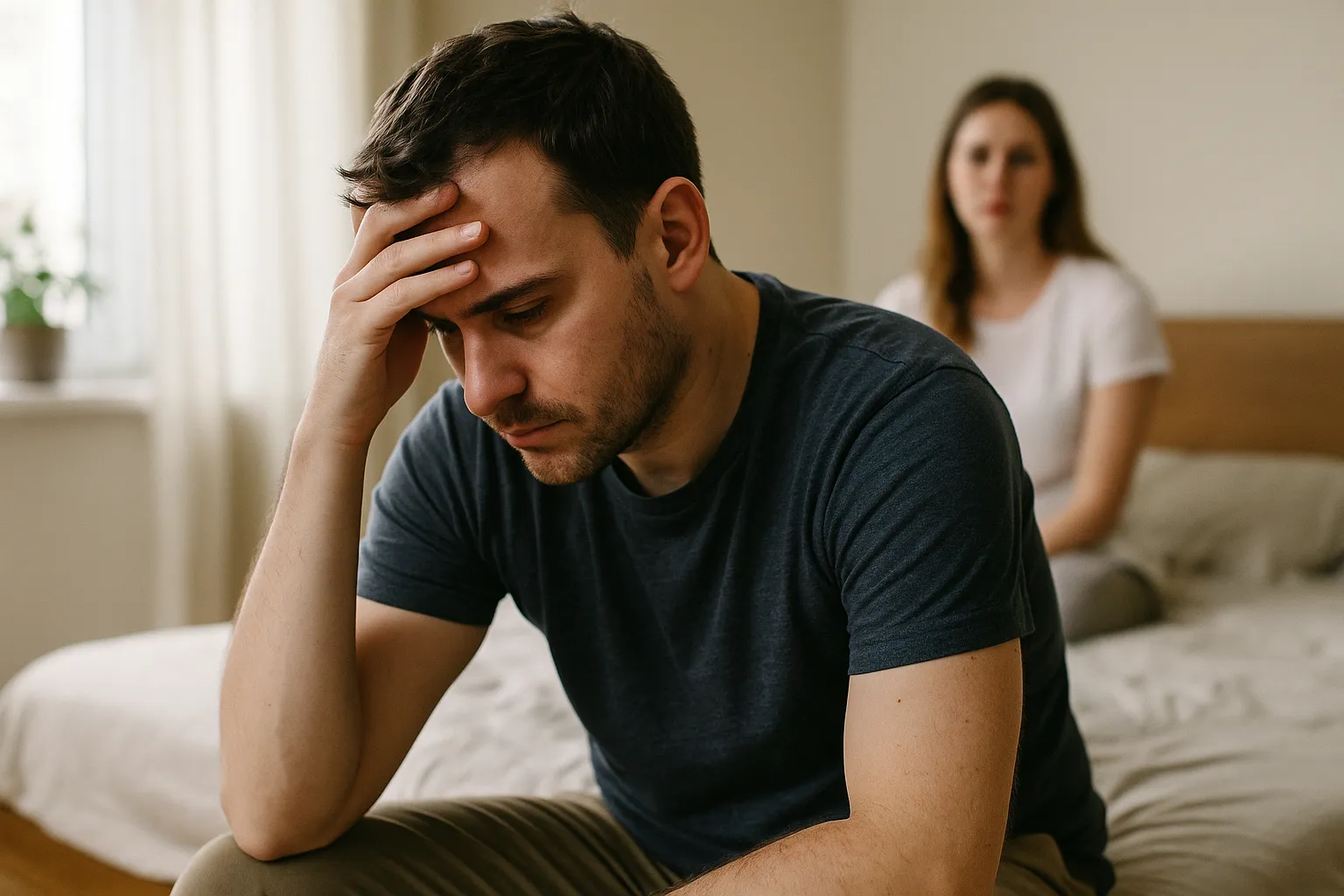
Rejection stings, but it doesn't have to derail your confidence. Rejection resilience is the learned ability to absorb a "no" — whether from a date, a job, or a friend — without letting it erode your sense of self-worth or stall your momentum. Like any skill, it can be trained with consistent practice. This guide breaks the process down into clear, actionable steps so you can respond to setbacks with steadiness instead of spiraling into self-doubt.
What Is Rejection Resilience and Why It Matters
Rejection resilience isn't about pretending rejection doesn't hurt. It's about how quickly you recover, what story you tell yourself afterward, and whether you keep showing up. Men who struggle with this often avoid taking social or romantic risks altogether, which can quietly shrink their world over time — fewer conversations started, fewer chances taken, fewer connections made.
Research on emotional regulation suggests that people who view setbacks as temporary and specific (rather than permanent and personal) tend to recover faster and stay more motivated. That reframe is the foundation of rejection resilience, and it connects closely to broader social confidence — the more secure you feel in yourself, the less any single rejection can define you.
Step 1: Reframe Rejection as Data, Not Verdict
The first shift is mental. Instead of treating a rejection as proof of your worth, treat it as information.
- Ask: "What can this tell me, if anything?" rather than "What's wrong with me?"
- Separate the outcome from your identity — a declined date or unanswered text reflects one moment, not your overall value.
- Write down the situation factually, without adding assumptions about what it "means" about you long-term.
This practice, sometimes called cognitive reframing, helps interrupt the automatic negative thought spiral that turns a small setback into a bruised sense of self.
Step 2: Build a Pre-Approach Confidence Routine
How you feel before a potentially vulnerable moment often shapes how you handle the outcome. A brief grounding routine before a date, interview, or difficult conversation can reduce the emotional impact if things don't go your way.
Try combining:
- Two to three minutes of slow, controlled breathing to settle your nervous system
- A short mental review of past situations you handled well, regardless of outcome
- A simple, realistic goal for the interaction ("I'll be honest and present") rather than an outcome-based goal ("I need her to say yes")
This mirrors the approach used in conversation confidence training, where preparation lowers the stakes attached to any single moment.
Step 3: Practice Micro-Exposure to Rejection
Resilience grows through repeated, manageable exposure — not by avoiding discomfort altogether. Gradually putting yourself in low-stakes situations where a "no" is possible can desensitize the sting over time.
Examples of low-risk practice:
- Asking a stranger for directions or a small favor
- Suggesting a restaurant choice to friends, knowing they might disagree
- Sending a text invitation without over-monitoring the response
Each small rejection you experience and move past builds evidence that you can survive discomfort — which makes bigger risks, like asking someone out, feel less threatening.
Step 4: Strengthen Your Support System
Resilience isn't purely an internal exercise. Having people to process setbacks with can prevent rumination from taking over.
- Talk through the experience with a trusted friend rather than replaying it alone in your head
- Notice if you're isolating after a rejection — this often signals it's time to reach out, not withdraw
- Consider how your communication patterns with others might be reinforcing or easing self-criticism; healthy relationship communication skills can extend to how you talk to yourself, too
Step 5: Track Progress, Not Perfection
Resilience builds gradually, so measuring the right things matters.
- Keep a simple log of situations where you took a risk, regardless of the outcome
- Note how quickly you recovered emotionally compared to previous setbacks
- Celebrate the attempt itself as a win, since the willingness to try is the actual skill being trained
Over weeks and months, most men notice the recovery window shrinking — a rejection that once lingered for days might only affect their mood for an hour.
How Rejection Resilience Affects Your Relationships
The way you handle rejection doesn't just affect dating life — it shapes how secure you feel in existing relationships too. Men who fear rejection often overcompensate with people-pleasing or avoid vulnerability altogether, which can quietly undermine intimacy. Building resilience allows for more honest, direct communication because you're less afraid of the other person's response. This ties closely into overall relationship confidence, since feeling secure in yourself makes it easier to show up authentically with a partner.
FAQ
Is rejection resilience something you're born with, or can it be learned? It's largely learned. While temperament plays a role, most of the skill comes from repeated practice reframing setbacks and gradually exposing yourself to manageable risks.
How long does it take to build noticeable resilience? There's no fixed timeline, but many people notice a shift in recovery speed within a few weeks of consistent practice, with more durable changes over several months.
Can rejection resilience help with performance-related worries too? Yes — the same reframing and exposure principles used for social rejection often overlap with strategies used to manage broader confidence concerns in intimate settings.
Final Thoughts
Rejection resilience isn't about becoming immune to disappointment — it's about recovering faster and staying engaged with life instead of retreating from it. By reframing setbacks, preparing mentally, practicing small exposures, leaning on support, and tracking your growth honestly, you can build a steadier foundation for both dating and everyday confidence.
This article is for informational purposes only and is not a substitute for professional medical advice.